


Table of Contents
- What Field-Tested Outdoor Equipment Actually Means
- Why Field Testing Matters More Than Lab Conditions
- How to Test Outdoor Gear Before You Depend on It
- Outdoor Gear Durability: What Real-World Wear Reveals
- Building Your Survival Gear Checklist with Tested Equipment
- Emergency Preparedness Kit Essentials: Field-Tested Foundations
- Common Failures: What Happens When Gear Isn't Field-Ready
- Conclusion
- Frequently Asked Questions
Last Updated: October 7, 2026
What Field-Tested Outdoor Equipment Actually Means
Field-tested outdoor equipment is gear used and evaluated in real-world conditions, not just in a lab or showroom. It has faced actual weather, terrain, physical demands, and the unpredictable challenges of extended outdoor use.
Field-tested gear has been put through its paces: rain, mud, temperature swings, rough handling, repeated use, everything that separates marketing claims from reality. At Dragoon Unlimited, we test our gear in the environments where it will actually be used, not under controlled conditions.
The difference matters. A poncho liner might shed water in a lab-test drizzle, but does it perform in a rainstorm at 3 AM, exhausted after a long day of hiking, when you need it to keep you dry and warm? That's the testing that tells you whether gear is truly reliable.

Field testing also reveals how equipment holds up over time. A zipper might work smoothly the first time, but after 50 uses, sandy packing and unpacking, salt water, or extreme temperature swings? Field testing exposes durability issues before you depend on the gear in a critical situation.
Why Field Testing Matters More Than Lab Conditions
Lab testing has its place, but it can't replicate the chaos of real outdoor conditions. A controlled environment is predictable and clean; real outdoor conditions are none of those things.
In the field, your gear faces combinations of challenges labs don't test. A fabric might be rated waterproof, but what happens when it's exposed to UV for weeks, gets muddy, gets wet, then dries in direct sun, repeated 10 times?
Field-tested equipment also reveals problems that emerge only with extended use. A seam might hold fine for a few days, but after two weeks of constant wear, with sweat, dirt, and movement stressing the stitching, does it separate? These failures stay invisible until you're out there depending on the gear.
Weather exposure is another critical factor. Equipment behaves differently in rain than dry, in cold than heat, and differently again when wet and cold combine. Gear might perform acceptably in one condition and fail completely in another; testing across multiple seasons reveals these vulnerabilities.
The real value of field testing is that it tells you what will actually happen when the stakes are high. On a multi-day hike, a hunt in harsh conditions, or in an emergency, you need gear that works in the situations you'll actually face.
How to Test Outdoor Gear Before You Depend on It
Testing gear before you commit to it in a critical situation is essential. Here's how to approach it.
Start with short trips. Use new gear on day hikes or overnight camping trips before longer expeditions, so you can identify problems when the stakes are low. Does it fit comfortably? Does it work as expected?
Pay attention to moisture management. Gear that claims water resistance should shed light rain, but test it in heavier rain.
Test durability through repeated use. Use the gear multiple times in similar conditions: pack and unpack it, fold it, roll it, stuff it into a bag, drag it through brush, get it muddy and clean it.
Evaluate comfort during extended physical activity. Wear the gear for hours while hiking, working, or doing the activity you'll use it for. Does it chafe, restrict movement, or trap sweat?
Test gear across different weather conditions if possible, rain, wind, temperature swings, and sun exposure. Different conditions stress gear in different ways, and gear that works in mild conditions might fail in extreme ones.
Keep notes on what you observe. Track performance, issues, and how the gear compares to your expectations. This documentation becomes invaluable when deciding whether to trust it in a critical situation.
Outdoor Gear Durability: What Real-World Wear Reveals
Durability is what separates gear that survives a few trips from gear that lasts through years of hard use. Real-world wear reveals durability in ways that lab testing never can.
Abrasion is one of the first signs of durability problems. Gear that rubs against your body, pack, or rough terrain wears down; fabric might pill, fray, or thin out, and poorly stitched seams separate under constant friction and tension.
Zipper reliability is critical for outdoor gear. At Dragoon Unlimited, our poncho liners like the Trooper MultiCam/OCP 3-Side Zippered Poncho Liner are designed with zippers that function reliably in harsh field conditions.
Moisture resistance degrades over time. A fabric might shed water initially, but after weeks of sun, salt, dirt, and repeated wetting and drying, the water-resistant coating can break down. Extended field testing shows how long that protection actually lasts.
Seam integrity is another durability indicator. Poorly-stitched seams fail quickly under stress. Well-stitched seams with quality thread hold up through repeated use and exposure. Field testing reveals which seams are likely to fail and when.
Overall construction quality becomes obvious through extended use. Cheap materials, poor stitching, weak attachment points, and substandard hardware all show up in the field. Gear built with quality materials and careful construction holds up; gear built to cut costs fails.
| Durability Factor | What to Look For | Field Test Duration |
|---|---|---|
| Abrasion resistance | Pilling, fraying, material thinning | 10+ uses in rough conditions |
| Zipper reliability | Smooth operation, no jamming or corrosion | 20+ open/close cycles |
| Moisture resistance | Water beading, quick drying | Exposure across multiple seasons |
| Seam integrity | No separation, fraying, or thread breakage | Extended use and repeated stress |
| Hardware durability | Buckles, snaps, and clips functioning smoothly | 15+ uses in varied conditions |
Building Your Survival Gear Checklist with Tested Equipment
A survival gear checklist should include only equipment you've verified through field testing. Untested gear is a liability in an emergency.
Start with the essentials. Shelter, insulation, water, fire, and signaling are the foundational layers of survival. For shelter and insulation, field-tested gear like the Trail Rider Olive Drab Poncho Liner provides proven reliability.

Include gear that serves multiple purposes. A poncho liner can function as a sleeping bag, shelter, insulation layer, or emergency cover.
Test each item before you include it. Don't add gear based on marketing claims or reviews from strangers. Use it yourself and verify it works the way you need it to.
Prioritize quality and durability over quantity. A single piece of high-quality, field-tested gear is more valuable than multiple pieces of untested equipment. You want gear you can trust completely.
“Trooper” MultiCam/OCP 3-Side Zippered Poncho Liner with Headport & Stuff Pad →
Include redundancy for critical functions. Have a backup shelter option, a backup way to create fire, a backup water source. Field testing helps you identify which backup options are most reliable.
Document the performance of each item in your kit. Know its limitations, what conditions it's rated for, and what could cause it to fail. This knowledge makes you a more effective user of the gear.
Emergency Preparedness Kit Essentials: Field-Tested Foundations
An emergency preparedness kit built with field-tested equipment is fundamentally more reliable than one assembled from untested gear.
The foundation of any emergency kit is shelter and insulation. In many survival scenarios, exposure is the primary threat. Gear that reliably protects you from weather is essential.
Water management is critical. You need leak-proof containers, purification methods that actually work, and reliable collection systems. Field testing reveals which equipment performs consistently and which fails under stress.
Fire-starting equipment needs to work when it matters. Test it in wet conditions, wind, and cold so you know it will function when you need it.
First aid supplies should be items you've actually used and understand.
Communication and signaling equipment needs testing. Does your whistle work in extreme cold? Does your mirror reflect effectively? Have you actually used these items, or are you assuming they'll work?
Navigation tools, maps, compass, GPS, should be equipment you've used in the field. Know how to use them. Know their limitations. Field experience with these tools is invaluable in an emergency.
The critical principle: every item in your emergency kit should be something you've tested and verified. Untested equipment in an emergency is a gamble you can't afford.
Common Failures: What Happens When Gear Isn't Field-Ready
Gear that hasn't been field-tested fails in predictable ways when conditions get serious.
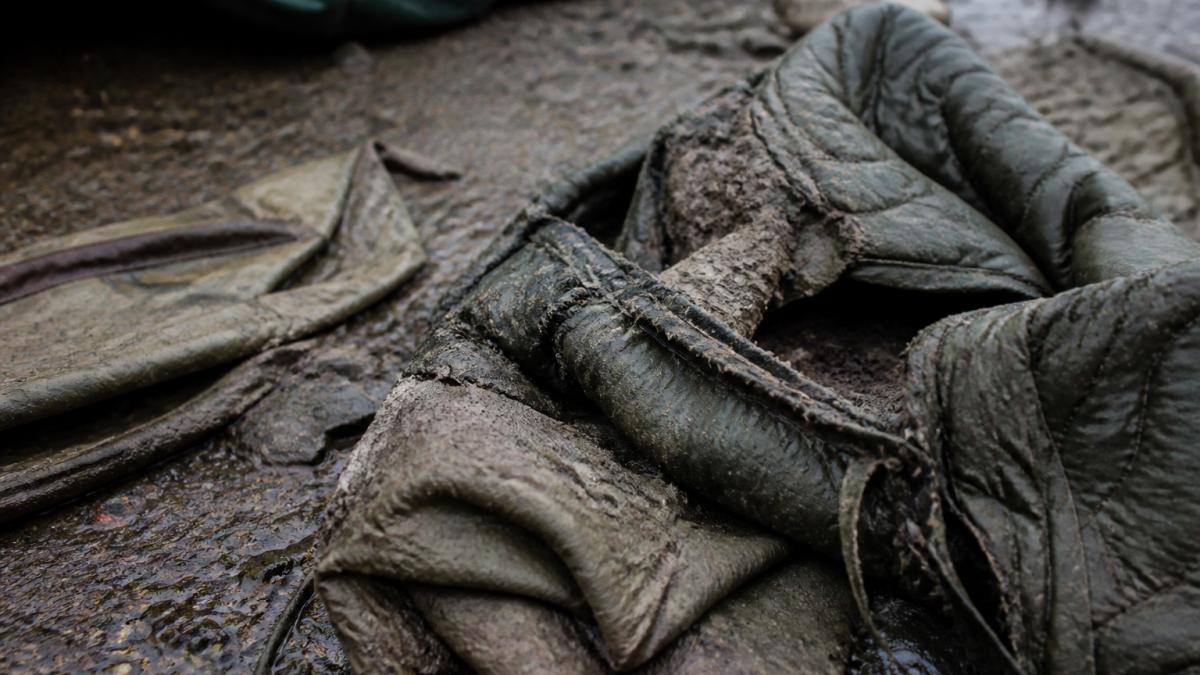
Zippers jam or break under cold, wet, or sandy conditions.
Seams separate during extended use.
Fabric degrades faster than expected. Water-resistant coatings wear off, and materials that seemed durable in the store become thin and fragile after weeks of sun, wind, and repeated wetting and drying.
Attachment points fail. Straps tear away from the main body, buckles break, snaps stop holding, because the gear wasn't designed or built to handle the stresses of real-world use.
Moisture management fails catastrophically. Gear that claims to be waterproof leaks. Insulation that's supposed to retain warmth when wet actually absorbs water and becomes a liability instead of protection.
Hardware corrodes or freezes. Metal components that seemed fine become unusable in salt water or extreme cold. Plastic components become brittle. Moving parts freeze or jam.
The pattern is clear: gear that hasn't been field-tested fails in ways that matter. These failures don't just reduce comfort. They create real danger. In a survival situation, a gear failure can be life-threatening.
Conclusion
Field-tested outdoor equipment is the foundation of reliable outdoor performance and emergency preparedness. The difference between gear that works and gear that fails comes down to real-world performance.
When building your gear collection, survival kit, or emergency preparedness supplies, prioritize equipment tested in the field. Use it yourself before you depend on it in a critical situation, and verify it performs the way you need it to.
At Dragoon Unlimited, every piece of gear we build is designed with field-tested reliability in mind. Our poncho liners, including the Fire Force Rhodesian Brushstroke Camo Poncho Liner and the Reforger Woodland Camo Poncho Liner, have been tested in real conditions and refined based on actual performance. We listen to the people who use our gear, incorporate their feedback, and stand behind what we build.

Looking for gear that's been proven in real conditions? Dragoon Unlimited delivers field-tested outdoor equipment designed for durability, reliability, and performance. We test everything in harsh conditions, listen to customer feedback, and donate 5% of proceeds to veteran organizations. Browse our collection of poncho liners and tactical gear built to withstand any mission. Sign up for our newsletter for 10% off your first order and join a community of outdoor enthusiasts, veterans, and preppers who demand gear that actually works.
Frequently Asked Questions
What does field-tested outdoor equipment mean?
Field-tested outdoor equipment has been used in real outdoor conditions, not just laboratory settings, to verify performance under actual stress. This means gear has been exposed to rain, temperature changes, dirt, abrasion, and the physical demands of hiking, hunting, camping, or tactical activities. Field testing reveals how equipment handles moisture resistance, breathability, temperature regulation, and durability over extended use. Gear that passes field testing is proven to work in the conditions where you'll actually use it.
Why is field testing important for outdoor gear?
Field testing uncovers failures that lab conditions miss. A poncho liner might perform perfectly in controlled humidity but fail to shed moisture during a day-long rain in the backcountry. Real-world testing shows how gear performs under weight distribution stress, soil compaction, consistent wear, and mixed-use scenarios. It reveals whether zippers freeze in cold weather, whether seams hold after repeated packing and unpacking, and whether materials maintain breathability while staying water-resistant. This data matters because your life and safety depend on gear that actually works when conditions get rough.
How can you tell if outdoor equipment has been properly field-tested?
Look for specific performance claims tied to real conditions: gear tested in rain, cold weather, extended physical activity, and actual use cases like hiking or hunting. Credible field-tested gear comes with details about what was tested, how long it was used, and what conditions it faced. Check customer reviews from people who've used the gear in actual survival situations or backcountry trips, not just backyard camping. Brands like Dragoon Unlimited field-test gear with community input. Avoid vague claims, genuine field-tested equipment has concrete evidence of real-world reliability.
Does field-tested gear cost more, and is it worth the price difference?
Field-tested gear typically costs more upfront because the testing process, refinement, and quality materials add expense. A Dragoon Unlimited poncho liner at $69.99 costs more than mass-produced alternatives because it's been tested in real conditions and refined based on user feedback. The value comes from long-term reliability: gear that doesn't fail in the backcountry saves you money by lasting years instead of months. Field-tested equipment also reduces the risk of failure when it matters most, a failed shelter or poncho liner during an emergency isn't just inconvenient, it's dangerous. The price difference reflects total cost of ownership, not just initial purchase.


