


Last Updated: October 22, 2026
Quick Summary
Alternatives to synthetic outdoor gear materials include wool, cotton, linen, hemp, ramie, and waxed canvas. These natural fibers outperform synthetics in specific conditions: merino wool regulates temperature better when wet, linen and hemp breathe naturally in warm weather, and waxed canvas lasts 20+ years compared to 3-5 years for synthetic rain gear.
- Merino wool base layers maintain insulation when wet, unlike synthetics that lose insulation value when soaked.
- Waxed canvas rain gear lasts 20+ years with basic care, while most synthetic jackets fail in 3-5 years.
- Cotton should never be worn as a base layer in cold weather because moisture against skin causes rapid cooling.
- Linen gets softer with every wash and is naturally antimicrobial, making it ideal for warm-weather outdoor clothing.
- Natural fibers break down without leaving microplastics, while synthetic materials shed microfibers into waterways with every wash.
Table of Contents
- Why Switch From Synthetic Outdoor Gear Materials
- Natural Fibers for Outdoor Clothing: Wool, Cotton, and Beyond
- Natural Alternatives to Nylon in Outdoor Gear
- Synthetic-Free Rain Gear: Material Choices That Work
- Performance by Gear Category: Which Materials Belong Where
- Durability, Lifespan, and Environmental Impact
- Evaluating Natural Materials: What Actually Works in the Field
- Frequently Asked Questions
Why Switch From Synthetic Outdoor Gear Materials
Synthetic fabrics have dominated outdoor gear for decades. They're cheap to produce, water-resistant, and easy to care for. But they come with real trade-offs that most outdoor enthusiasts never discuss.
Synthetic materials shed microfibers into the environment (Microfiber Pollution). They break down slowly. They can trap heat in ways that feel uncomfortable on long days.
We've learned that the best outdoor setup often mixes materials strategically. Some situations demand synthetics. Others are better served by wool, cotton, linen, or plant-based fabrics.
This guide breaks down the real strengths and weaknesses of natural fibers versus synthetics. We'll show you where to swap synthetic materials for alternatives that work better, last longer, or align with your values.
Natural Fibers for Outdoor Clothing: Wool, Cotton, and Beyond
Natural fibers have been used for outdoor clothing for centuries because they solve real problems that synthetics struggle with. Wool regulates temperature better. Cotton breathes more naturally. Plant-based fabrics age beautifully and break down without leaving microplastics behind.
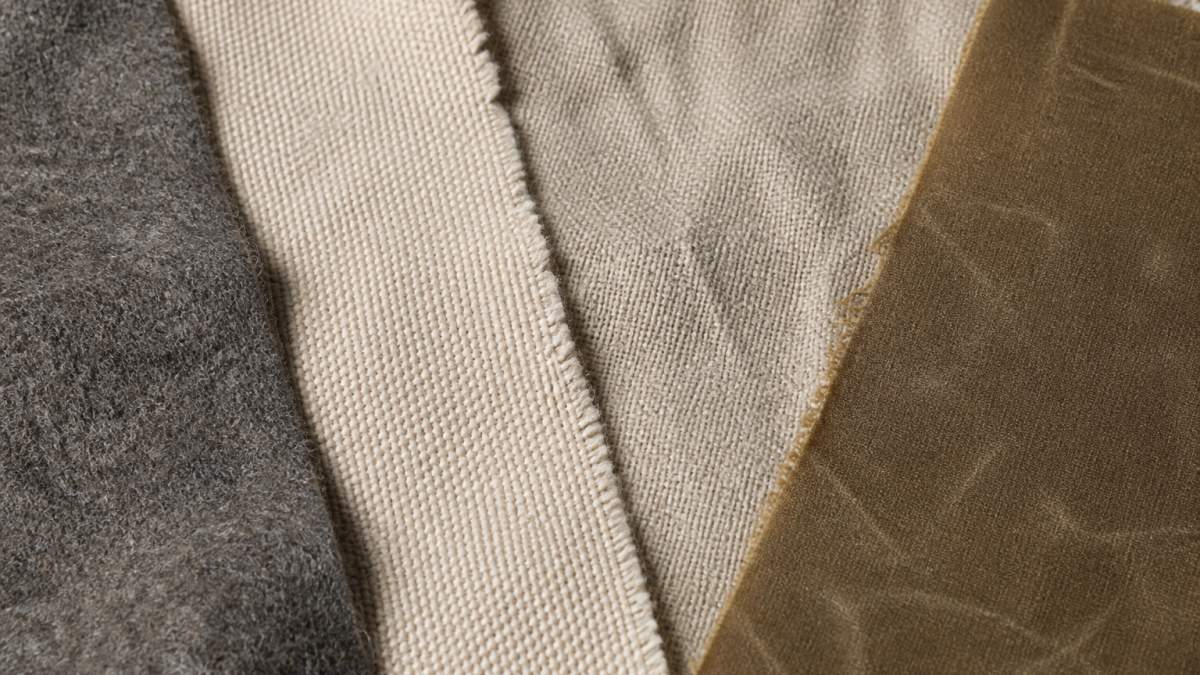
The trade-off is simple: natural materials require more care, and some cost more upfront. But for serious outdoor work, the performance gap is worth it.
Wool for Warmth and Wet Performance
Wool is the gold standard for cold-weather outdoor clothing, and the science backs it up. Wool fibers trap air in a way that keeps you warm even when wet. Synthetics lose insulation value when soaked. Wool doesn't.
This makes wool essential for:
- High-altitude hiking where weather changes fast
- Hunting in wet conditions
- Winter camping and survival scenarios
- Any mission where you can't control moisture
The downside is real. Wool itches if it's low-quality. It takes longer to dry than synthetics. It costs more. And some people are genuinely sensitive to it.
For serious outdoor work, merino wool solves most of these problems. It's finer than traditional wool, less itchy, and naturally antimicrobial. You can wear it longer between washes. It regulates temperature better than synthetic base layers in variable conditions.
Cotton vs Synthetic Outdoor Clothing: Trade-Offs and Best Uses
This comparison gets heated in outdoor communities, and for good reason. Cotton and synthetics serve different purposes.
Cotton breathes naturally. It feels comfortable on skin. It doesn't trap odors the way synthetics do. For warm-weather hiking or casual outdoor work, cotton is often more comfortable than polyester.
The problem: cotton holds water. Once wet, it loses insulation and takes hours to dry. In cold conditions, this is dangerous. In warm conditions, it's just uncomfortable.
Synthetics dry fast and maintain some insulation when wet. Polyester wicks moisture away from skin. Nylon is durable and lightweight.
The practical approach: use cotton for warm-weather, low-intensity outdoor time. Use wool or synthetics for anything cold, wet, or physically demanding.
Plant-Based Alternatives: Linen, Hemp, and Ramie
These fibers deserve more attention than they get. They're stronger than cotton, more breathable than synthetics, and they break down naturally without leaving behind microplastics.
Linen is made from flax plants. It's cooler to wear than cotton, naturally antimicrobial, and incredibly durable. Linen gets softer with every wash.
Hemp is tougher than linen. It's naturally UV-resistant and antimicrobial. Hemp fabric is heavier and less breathable than linen, but it lasts longer.
Ramie is similar to linen but even stronger. It's less common in finished gear because it's harder to process.
These plant-based fibers work best in warm conditions where breathability matters more than insulation. They're not replacements for wool in cold climates.
Natural Alternatives to Nylon in Outdoor Gear
Nylon dominates outdoor gear because it's cheap, durable, and water-resistant. But nylon is a petroleum-derived plastic. It sheds microfibers. It breaks down slowly. And there are better alternatives for most use cases.
Canvas is the classic replacement. Waxed canvas (cotton duck treated with wax) is water-resistant, breathes better than nylon, and lasts for decades.

For gear that needs to be lightweight, linen-cotton blends offer a middle ground. They're not as water-resistant as waxed canvas, but they're more durable than untreated cotton and lighter than heavy canvas.
Polyester is often presented as an alternative to nylon, but it's not. Both are petroleum-derived synthetics with similar environmental impacts.
Synthetic-Free Rain Gear: Material Choices That Work
This is where natural alternatives to synthetic outdoor gear materials get tested hardest.
Pure natural fabrics struggle here. Untreated cotton and linen absorb water. Wool stays warm when wet but isn't waterproof.
Classic Hatari Rhodesian Brushstroke Camouflage Upland Safari Hunting Vest →
The practical solution is treated natural fabrics. Waxed canvas is genuinely waterproof and breathes better than synthetic rain jackets. Oilcloth (canvas treated with linseed oil) works similarly.

For hunters and outdoor professionals, this trade-off makes sense. A waxed canvas rain parka lasts 20+ years with basic care. Most synthetic rain jackets fail in 3-5 years.
For casual hikers who want to avoid synthetics entirely, accept that your rain gear will be heavier and need more care.
Performance by Gear Category: Which Materials Belong Where
Different gear serves different purposes. The best material for one category performs poorly in another. Here's how to match materials to actual use.
Base Layers and Thermal Wear
Base layers sit against your skin. They need to manage moisture and regulate temperature. This is where synthetics and wool excel. Cotton fails.
For cold conditions, merino wool base layers outperform synthetics. They regulate temperature better and don't smell after multiple days of use. Synthetic base layers (polyester or nylon blends) dry faster and cost less. For most people, a synthetic base layer works fine. For serious cold-weather missions, merino wool is the right choice.
For warm conditions, linen or cotton-linen blends work better than synthetics. They breathe naturally and feel more comfortable against skin. Synthetics work, but they trap heat in a way that feels unpleasant during high-output activities.
Shelters, Tarps, and Ponchos
Shelter fabric needs to shed water, resist UV damage, and last for years. Canvas is the traditional choice. Modern waxed canvas or oilcloth works well. Synthetic tarps are lighter and cheaper, but they degrade in sunlight and often fail at seams.
For serious outdoor use, canvas tarps outperform synthetics long-term. They're heavier and require more care, but they last decades instead of years. If weight is critical (backpacking), synthetic tarps are acceptable. For basecamp or vehicle-based camping, canvas is the better choice.
Hunting and Tactical Apparel
Hunting gear needs to be durable, quiet, and weatherproof. This is where waxed canvas shines. The Dragoon Unlimited Upland Hunting Vest uses waxed tin cloth canvas specifically because it resists brush, sheds water, and doesn't make noise when you move.
Synthetic hunting jackets are lighter and easier to care for. But they're often louder and don't age as well. For serious hunters who spend weeks in the field, natural-fiber alternatives to synthetic outdoor gear materials are worth the extra weight and maintenance. Transitioning to these durable materials in the backcountry often inspires a similar shift toward natural fiber loungewear for comfort during the quiet hours spent back at camp.
Durability, Lifespan, and Environmental Impact
This is where the conversation shifts from performance to values. Synthetic fabrics are cheap upfront but expensive long-term. They fail faster, shed microplastics, and pile up in landfills.
Natural fabrics cost more initially but last longer. A waxed canvas jacket lasts 20+ years. A wool sweater lasts a decade or more.
The environmental math is clear. Replacing a synthetic jacket five times creates more waste and uses more resources than buying one canvas jacket that lasts 20 years.
Microfiber shedding is another factor. Every wash of a synthetic garment releases microplastics into waterways. Natural fibers break down without leaving behind persistent pollution.
This doesn't mean all synthetics are bad. Sometimes the performance gain justifies the environmental cost.
Evaluating Natural Materials: What Actually Works in the Field
Theory and practice don't always align.
Start with a single piece. Buy one wool base layer or one waxed canvas shirt.
Check durability at stress points. Seams fail first. Hems fail second.
Test in the actual conditions you care about. If you hunt in wet brush, test in wet brush.
Ask yourself: would I buy this again?
Choosing alternatives to synthetic outdoor gear materials means accepting some trade-offs. Natural fibers require more care.
But they perform better in the conditions that matter most. They last longer. They don't shed microplastics.
At Dragoon Unlimited, we've built our gear around these principles.
| Material | Best For | Durability | Maintenance | Cost |
|---|---|---|---|---|
| Merino Wool | Cold-weather base layers | 5-10 years | Occasional wash | Higher |
| Waxed Canvas | Rain gear, hunting apparel | 20+ years | Annual rewaxing | Higher |
| Linen | Warm-weather clothing | 10+ years | Regular washing | Moderate |
| Hemp | Durable workwear | 15+ years | Regular washing | Moderate |
| Nylon | Lightweight packs | 3-5 years | Minimal | Lower |
| Polyester | General-purpose layers | 3-5 years | Minimal | Lower |
Frequently Asked Questions
Can natural fibers like wool really replace synthetic outdoor gear materials?
Wool performs well in cold and wet conditions, wicking moisture while retaining warmth even when damp, a key advantage over synthetics in those scenarios. Cotton works for dry climates but absorbs water, making it less suitable for rain or high-moisture environments. The answer depends on your use case: wool excels in alpine and backcountry settings, while plant-based fibers like linen and hemp suit temperate conditions. No single natural fiber matches synthetics across all performance metrics, but the right natural material for your specific mission can match or exceed synthetic performance for durability and comfort.
What are the best natural alternatives to nylon for outdoor gear?
Waxed cotton canvas (tin cloth) is the closest natural alternative to nylon, offering water resistance, abrasion resistance, and durability in heavy-use gear like hunting vests and shelters. Hemp and linen provide lighter-weight options for lower-stress applications like base layers and summer clothing. For rain protection, waxed canvas and heavy cotton duck perform reliably. These materials age visibly over time, developing character and patina, while maintaining structural integrity through years of field use. The trade-off: they're heavier than nylon and require care to maintain water resistance.
Is cotton a good alternative to synthetic outdoor clothing for all conditions?
Cotton works well for dry-climate hiking, tactical training in moderate temperatures, and summer camping because it's breathable, comfortable, and durable. However, cotton absorbs water and dries slowly, making it risky for cold-weather use, rain exposure, or high-exertion activities in wet conditions. Wet cotton loses insulating ability and clings to skin, increasing hypothermia risk. For versatile all-season outdoor work, wool or synthetic blends outperform pure cotton. Cotton shines in base layers for warm weather and as a component in layering systems where a moisture-wicking synthetic or wool layer sits beneath it.
What makes waxed canvas and other natural materials hold up in the field?
Waxed canvas gains water resistance from a protective wax coating applied to tightly woven cotton duck, creating a barrier against moisture and abrasion. The dense weave itself provides durability; tin cloth (11-13 ounce weight) withstands sharp branches, rough handling, and repeated flexing without tearing. Wool's natural lanolin provides some water repellency and self-cleaning properties. These materials improve with use: waxed canvas develops a patina and molds to your body, while wool gains softness. Proper care, occasional wax reapplication, hand washing, air drying, extends lifespan to 10+ years of heavy use, matching or exceeding synthetic durability.


