


Table of Contents
- What Makes Durable Outdoor Gear Worth the Investment
- Inspect Construction and Materials for Camping Gear
- Match Your Camping Gear to Weather and Season
- The Best Materials for Camping Gear and What They Mean
- Camping Gear Buying Guide: Prioritize Based on Your Trip Type
- How to Care for Camping Gear and Extend Its Lifespan
- Camping Gear Storage Tips to Prevent Damage
- Durability Trade-offs: When to Pay More and When to Save
- Frequently Asked Questions
Last Updated: October 18, 2026
What Makes Durable Outdoor Gear Worth the Investment
Choosing durable outdoor gear for camping is one of the smartest decisions you can make before heading into the backcountry. Gear that fails mid-trip doesn't just ruin your adventure, it puts you at risk. The right equipment transforms a survival situation from terrifying to manageable.
The real cost of cheap gear isn't the lower price tag. It's the replacement you buy after the first one fails. It's the night you spend cold and wet because your tent seams leaked. It's the panic when your pack strap tears under load miles from civilization.
Durable outdoor gear holds up when conditions turn harsh. It protects you from weather, keeps your supplies secure, and gives you confidence in the backcountry. Here's how to identify and choose gear that actually lasts.
Inspect Construction and Materials for Camping Gear
You can't judge durability by looking at a product photo. You have to examine how gear is actually built. Construction quality separates equipment that survives one trip from gear that lasts for years.
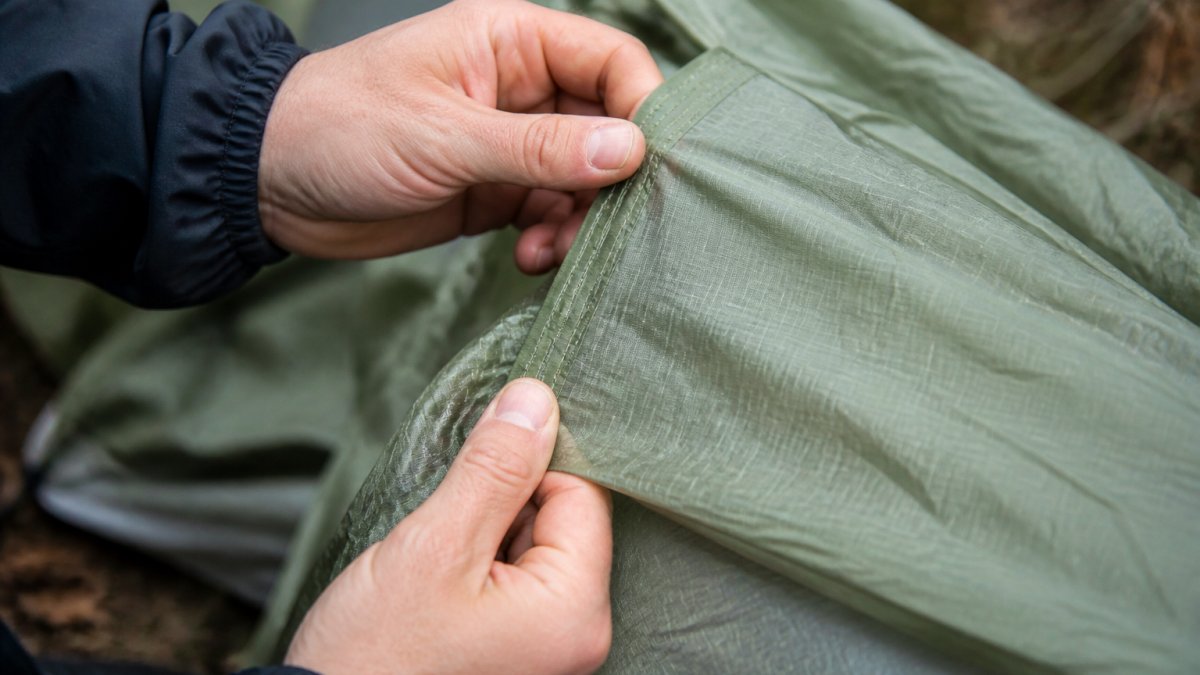
Start by looking at seams. Seams are where gear fails first. A tent with taped seams, where waterproof tape is sealed over the stitching, will keep you dry. A tent with just stitched seams will eventually leak. Run your finger along the seams.
Check the fabric itself. Quality camping gear uses ripstop nylon or polyester. Ripstop has a visible grid pattern woven in. This grid stops small tears from spreading. Cheap fabrics tear easily and keep tearing.
Fabric and Seam Quality
The fabric you choose determines how long your gear survives rough conditions. Ripstop polyester is standard for modern camping gear. It's lightweight, water-resistant, and durable. Ripstop nylon is lighter but costs more. Both outperform regular nylon or cotton, which absorb water and break down faster.
Seams need more than just thread. Look for taped seams on tents, shelters, and rain gear. The tape seals the thread holes so water can't seep through. Without tape, every stitch hole becomes a leak point. This is non-negotiable for any shelter or rain protection.
Stitching density matters too. More stitches per inch means stronger seams. Look for tight, even stitching with no loose threads. Uneven stitching suggests rushed manufacturing and weaker construction.
Hardware and Zippers
Zippers fail more often than fabric. A broken zipper makes a tent unusable. Quality zippers are made from metal or high-grade plastic. Cheap zippers jam, separate, and snap under normal use.
Check the zipper slider. Metal sliders are more durable than plastic. The teeth should align perfectly with no gaps. Misaligned teeth cause jamming and damage. YKK zippers are an industry standard. They cost more but last through hundreds of open-close cycles.
Inspect all metal hardware: D-rings, clips, buckles, and grommets. They should be sturdy and securely attached. Loose hardware tears free under load. Cheap metal corrodes or bends easily. Stainless steel and reinforced aluminum resist corrosion and hold up in wet environments.
Match Your Camping Gear to Weather and Season
Durability isn't just about how gear is built. It's about choosing the right gear for the conditions you'll face. A tent rated for three-season use will fail in winter storms.
Match your equipment to the worst weather you expect. If you camp in rain, prioritize water resistance. If you hike in cold, invest in insulation. Gear designed for your specific conditions lasts longer because it's not being stressed beyond its limits.
Seasonal changes affect gear durability too. Summer sun degrades fabric through UV exposure. Winter cold makes plastic brittle. Spring moisture promotes mold and mildew. Store gear properly between seasons to prevent premature aging.
Temperature ratings on sleeping bags and quilts are standardized. A "20-degree" bag keeps you warm at 20 degrees with proper clothing and insulation underneath. Don't just buy the warmest rating. Match it to where you actually camp.
The Best Materials for Camping Gear and What They Mean
Understanding materials helps you spot quality. Here's what durable camping gear is actually made from:
Ripstop Nylon and Polyester These fabrics resist tearing and dry quickly. Ripstop polyester is heavier but more affordable. Ripstop nylon is lighter but costs more. Both work well for tents, tarps, and rain gear. The grid pattern stops small tears from spreading.
Waterproof Coatings Fabrics are treated with waterproof coatings. Silicone coating is durable and UV-resistant. Polyurethane coating is cheaper but breaks down faster in sunlight. Check if the coating is applied to both sides or just one. Both-side coating lasts longer.
Metal Hardware Aluminum and stainless steel resist corrosion. Zinc-plated steel is cheaper but rusts if the plating wears. Avoid painted or powder-coated hardware in wet environments. The coating chips off, exposing bare metal underneath.
Insulation Materials
Stitching Thread Quality thread is polyester or nylon, not cotton. Polyester thread resists UV damage and moisture. Cotton thread rots over time, especially in damp storage.
Camping Gear Buying Guide: Prioritize Based on Your Trip Type
Not all gear matters equally for every trip. Prioritize based on where you're going and how long you're staying.
Backpacking and Weight Considerations
Weight drives durability trade-offs in backpacking. Lighter gear often means thinner materials and fewer reinforcements. But lighter doesn't mean it fails faster if you choose well.
Focus durability spending on gear that takes the most abuse: your backpack, tent floor, and sleeping bag. These three items touch the ground, get compressed, and handle constant friction. A quality backpack with reinforced seams and a durable floor panel will outlast cheaper alternatives by years.
Your tent floor takes the most punishment. Look for a bathtub-style floor that extends partway up the walls. This design keeps water and dirt out. Thicker floor material resists punctures from sticks and rocks. Dragoon Unlimited's Ridgeback tent features a bathtub floor and taped seams specifically designed for backcountry durability.

Car Camping and Comfort Trade-offs
Car camping lets you prioritize comfort without worrying as much about weight. You have room for heavier, more durable gear.
Invest in a larger tent with better ventilation. Larger tents last longer because the fabric isn't stretched as tight. Better ventilation prevents mold and mildew, which damage fabric and insulation over time.
Bug-Out and Survival Gear Durability Demands
Bug-out gear faces extreme conditions. It needs to work the first time, every time, with no failures.
Dragoon Unlimited Ridgeback One Person Camping, Hunting Tent, Bugout Bivy →
Prioritize multi-use items that serve several purposes. Dragoon Unlimited's poncho liners work as sleeping bags, emergency shelters, and rain protection. This versatility means you carry less gear but have more options. Multi-use gear should be built to the highest durability standard.
Shelters are critical. A tent that fails in a survival situation is worse than useless. Look for shelters with redundant features: multiple stake points, reinforced corners, and sealed seams throughout.
Emergency gear should be simple and bomb-proof. Fewer moving parts means fewer things break. Avoid complex designs with zippers, clips, and adjustable features. A simple tarp or bivy shelter with minimal components is more reliable than a complex tent in a true emergency.
How to Care for Camping Gear and Extend Its Lifespan
Durability doesn't end when you buy the gear. How you care for it determines whether it lasts three trips or thirty.
Clean gear after each trip. Dirt, salt, and mud break down fabric and corrode metal. Rinse with fresh water and mild soap.
Repair damage immediately. A small tear becomes a rip. A loose seam becomes a leak. Patch holes with fabric repair tape or adhesive patches.
Lubricate zippers regularly. Dry zippers jam and break. Apply silicone lubricant or graphite powder to zipper teeth. Work the slider back and forth to distribute the lubricant.
Inspect hardware before each trip. Tighten loose bolts and rivets. Replace bent or corroded hardware. Check that D-rings and attachment points are secure. Loose hardware fails suddenly under load.
Test seams and fabric for damage. Small holes grow into large tears. Seams that are starting to separate will fail completely.
Camping Gear Storage Tips to Prevent Damage
How you store gear between trips affects how long it lasts. Poor storage causes mold, mildew, rust, and material degradation.
Store gear in a cool, dry place. Heat speeds up material breakdown. Moisture promotes mold and rust. Basements work better than attics.
Never store gear wet or damp. Mold grows within days in damp conditions. Mildew smells bad and damages fabric. Always dry gear completely before storing.
Use breathable storage bags, not plastic. Plastic traps moisture and promotes mold. Mesh bags allow air circulation. Cotton bags work well.
Keep gear away from direct sunlight during storage. UV light degrades fabric and insulation over time. A dark closet or cabinet is ideal.
Separate gear by material type. Metal hardware should not contact fabric directly. Use dividers or wrap items separately. This prevents corrosion stains and metal damage to fabric.
Durability Trade-offs: When to Pay More and When to Save
You can't spend unlimited money on gear. Strategic choices let you get durability where it matters most.
Pay more for:
-
Shelters and rain gear (failures put you at risk)
-
Backpacks (they carry everything else)
-
Zippers and hardware (these fail often and are hard to repair)
Save money on:
- Items you rarely use (occasional-use gear doesn't need premium durability)
- Lightweight day trips (light use means less stress on materials)
- Backup gear (redundant items can be simpler and cheaper)
- Consumables (things you replace regularly anyway) Investing in high-end equipment remains a wise choice for long-term expeditions where the specific properties of tactical gear materials provide the necessary resilience against harsh environments.
The Ridgeback tent from Dragoon Unlimited represents this balance. It's built with premium materials where durability matters most: taped seams, reinforced corners, and a bathtub floor. Unnecessary features are stripped away to keep weight and cost reasonable.
Consider total cost of ownership, not just purchase price. Cheap gear you replace every two years costs more than durable gear you keep for ten years. Calculate the per-trip cost.
Durability is an investment in reliability. Gear that works when you need it is worth the extra cost. In the backcountry, there's no substitute for equipment you can trust.
Choosing durable outdoor gear for camping means understanding construction, matching gear to conditions, and maintaining what you buy. Our Ridgeback tent and poncho liners are designed to withstand harsh environments because we build gear for people who depend on it.

Frequently Asked Questions
How can you tell if camping gear is durable?
Durable camping gear shows tight, even stitching with no gaps or loose threads, and seams are taped or sealed for water protection. Check fabric for ripstop weave or reinforced areas, hardware like zippers should move smoothly without catching, and metal components should resist rust. Test the gear's weight distribution and feel for thin spots. Field-tested gear from brands that stand behind their products, like Dragoon Unlimited's Ridgeback tent with UV-resistant ripstop fabric and taped seams, demonstrates durability through real-world performance.
What materials make camping gear last longer?
High-quality ripstop nylon and polyester resist tearing and UV damage, while reinforced bathtub-style floors protect against punctures. Water-resistant polyester in poncho liners sheds moisture without adding weight. Look for YKK or comparable zippers that handle repeated use, and anodized aluminum poles that resist corrosion. Taped or welded seams prevent water infiltration better than glued seams alone. Gear like the Dragoon Unlimited Trail Rider poncho liner uses durable polyester construction designed for field use, while the Ridgeback tent combines ripstop fabric with taped seams for extended deployments.
Is expensive camping gear always more durable?
Higher prices often reflect better materials, construction, and testing, but not always. Mid-range gear from established brands frequently outlasts budget options because of superior seams, hardware, and fabric quality. Premium pricing sometimes includes brand reputation rather than durability. Compare specific construction details, seam type, fabric weight, and hardware grade, rather than price alone. Field-tested brands that listen to customer feedback and iterate on designs often deliver better durability per dollar than brands relying on marketing alone.
How best to store camping gear?
Store gear in a cool, dry place away from direct sunlight, which degrades fabrics and polyester over time. Keep tents loosely packed or hung to prevent mold and material compression. Store poncho liners and blankets in breathable stuff sacks rather than sealed plastic bags. Remove batteries from headlamps and keep metal hardware dry to prevent rust. Ensure zippers are fully open or closed before storage to reduce stress on the mechanism. Store gear in a location with stable temperature and humidity to prevent material brittleness and mildew growth.


