


Table of Contents
- Understanding Woobie Temperature Ratings and Warmth Levels
- How to Use a Woobie Blanket for Maximum Warmth
- Layering Strategies: Base Layers, Mid-Layers, and Woobies
- How to Wear a Woobie Under a Poncho for Field Use
- Woobie vs Sleeping Bag: Which Provides Better Warmth?
- Performance in Damp and Wet Conditions
- Testing Your Woobie's Warmth Before the Field
- Frequently Asked Questions
Last Updated: October 9, 2026
Understanding Woobie Temperature Ratings and Warmth Levels
A woobie is a lightweight, packable insulation layer that works as a poncho liner, blanket, or wearable garment.

Most woobies provide warmth in the 40-60°F range alone as a blanket, but the real answer is more nuanced. The warmth you experience comes down to how you use the gear, not just what it is.
What Temperature Range Can a Woobie Handle?
A standard woobie insulates effectively down to about 40-50°F standalone. Below that, you need additional layers. Here's how scenarios break down:
- 50-70°F: Woobie alone works well for most people
- 40-50°F: Woobie plus base layer needed
- 30-40°F: Woobie plus multiple layers required
Air temperature is key, but wind, humidity, and ground moisture matter just as much. A woobie in calm, dry 45°F conditions feels warmer than the same woobie in wet, windy 50°F conditions.
Insulation Type and Heat Retention
Woobie insulation comes in two main types: synthetic polyester and down alternatives. Polyester retains warmth when damp; down alternatives compress smaller but lose insulation value when wet.
Loft is what keeps you warm: the thicker the insulation, the more air it traps. A woobie with adequate loft holds a 10-15°F warmth advantage over your base layer alone.
How to Use a Woobie Blanket for Maximum Warmth
The way you deploy a woobie dramatically changes how warm it keeps you. Same gear, different results.
Woobie as a Sleeping Bag or Bivy Cover
A woobie's three-sided zipper converts it into a sleeping bag configuration, one of the most effective ways to trap warmth. Zipped, it wraps your torso and legs in a cocoon that retains body heat, with adjustable ventilation.
The Trooper MultiCam Poncho Liner includes a zippered head port, adding critical warmth retention around your neck and head, significant in cold conditions.
Woobie as a Wearable Layer
Wearing a woobie as a poncho or serape-style wrap provides mobility and warmth at once, ideal for active hiking or hunting. It drapes over your shoulders and torso, leaving your arms free. The trade-off: it provides less total warmth than the zipped sleeping bag configuration, you sacrifice insulation efficiency for mobility.
Layering Strategies: Base Layers, Mid-Layers, and Woobies
Layering is where woobie performance truly shines. Alone it's one tool; combined with other layers, it becomes a complete insulation system.
Building Your Insulation System
Start with a moisture-wicking base layer to pull sweat off your skin, wet skin loses heat rapidly. Add a mid-layer for insulation, where a woobie's lightweight, packable design fits perfectly. Top with a wind and moisture barrier like a rain jacket or poncho.
The sequence looks like this:
- Base layer (moisture-wicking)
- Woobie or insulation layer
- Outer shell (wind and rain protection)
This three-layer approach keeps you warm across a wide temperature range.
Moisture-Wicking and Breathability
Breathability matters because trapped sweat cools you faster than wind. A woobie's polyester shell lets moisture vapor pass while blocking liquid water, so sweat escapes but rain won't soak through. Pair it with a moisture-wicking base layer, cotton holds sweat, synthetics and merino move it away, and you stay warm even during active movement.
How to Wear a Woobie Under a Poncho for Field Use
This field-tested configuration provides warmth, mobility, and weather protection at once.
Proper Fit and Range of Motion
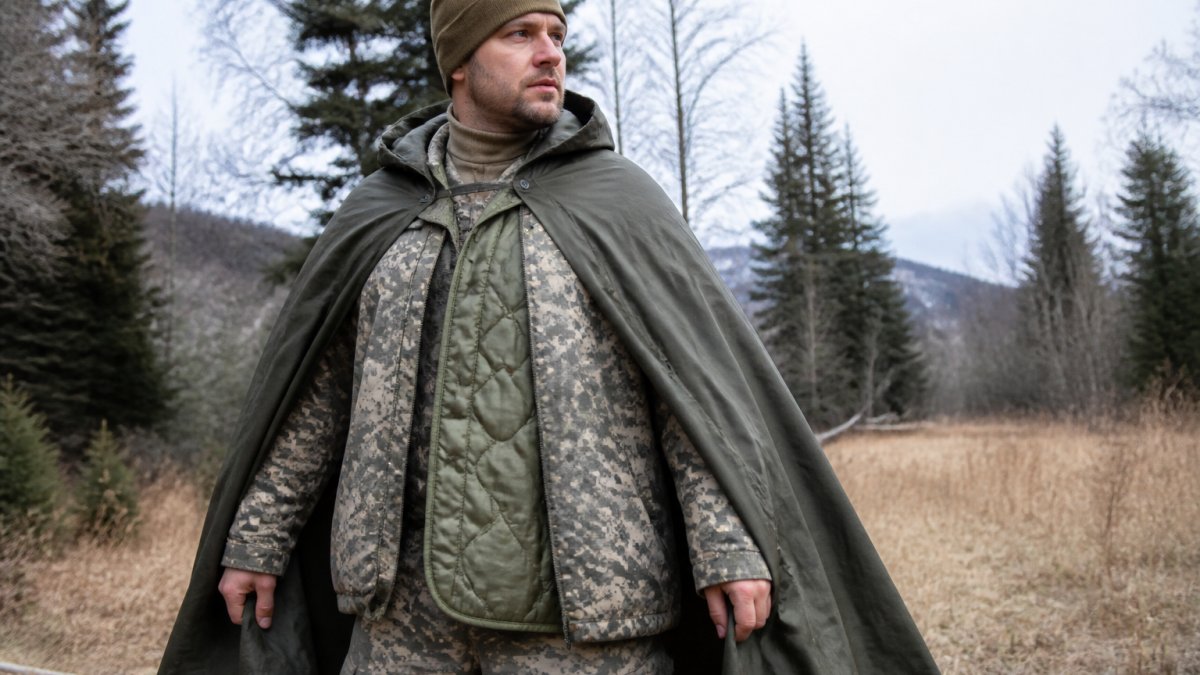
Wear your woobie as a base or mid-layer under the poncho, which goes over top as a weather-resistant shell. The woobie should fit snugly enough to trap warm air but loose enough to move freely, tight clothing restricts blood flow, loose clothing lets cold air circulate.
Wind and Moisture Protection
The poncho blocks wind that would otherwise steal heat from your woobie, wind chill dramatically reduces the effective warmth of any insulation. Its outer shell also sheds rain and snow, so as long as your woobie stays dry it maintains full insulation value. This combination, woobie for insulation, poncho for protection, is why military personnel use it in real conditions.
Woobie vs Sleeping Bag: Which Provides Better Warmth?
A woobie and a sleeping bag aren't competing products, they're different tools. The useful question is when a woobie is enough on its own and when it's only a supplement.
The Honest Temperature Comparison
A standard military-style poncho liner used alone as a blanket is generally comfortable for most adults in the 50-60°F range in still, dry air.
A three-season sleeping bag rated to 20°F or 30°F is a complete sleep system: it encloses your torso, legs, and often your head, and it's tested against a standard (the EN 13537 / ISO 23537 system used by most major bag makers).
“Trooper” MultiCam/OCP 3-Side Zippered Poncho Liner with Headport & Stuff Pad →
A practical rule of thumb many cold-weather campers use:
- Above 50°F: Woobie alone is often enough for sleep.
- 40-50°F: Woobie plus a base layer and a pad.
- 30-40°F: Woobie as a supplement over or inside a bag, or combined with a second insulation layer.
When a Woobie Beats a Sleeping Bag
A woobie wins on three axes that matter in the field:
- Versatility. It works as a blanket, serape, poncho liner, zippered sleeping bag, and emergency wrap. A sleeping bag does one job.
- Wet performance. Polyester-insulated woobies retain most of their loft when damp. Down bags lose most of their insulating value once wet and take far longer to dry.
- Weight and pack size. Most woobies land in the 1-2 lb range and compress to roughly a 1-liter water bottle. A comparable three-season bag is typically 2-4 lb and packs larger.
When a Sleeping Bag Beats a Woobie
A sleeping bag wins when you need a complete, rated sleep system for cold overnight use. Its enclosed design traps more body heat, the hood and draft collar stop heat loss at the neck and shoulders, and the standardized rating gives you a number to plan around.
The Practical Answer
Sleeping out below freezing? Bring a bag. Moving, hunting, or camping in cool-to-mild conditions and want one piece of gear that does several jobs? A woobie is the better carry. Many experienced outdoors people carry both: a bag for the sleep system and a woobie to extend its range, block wind over the top, or serve as a warm layer around camp.
Performance in Damp and Wet Conditions
How a woobie performs when wet separates field-ready gear from fair-weather equipment.
DWR Coating and Water Resistance
Most quality woobies include a DWR (durable water repellent) coating on the ripstop nylon shell, causing water to bead up and run off rather than soak through. DWR isn't waterproof, heavy rain or submersion will eventually saturate it, but for mist, light rain, snow, and damp grass, it keeps moisture out.
Drying Fast and Maintaining Insulation
If your woobie gets damp, it dries faster than most sleeping bags, polyester sheds water quickly, and hanging it in sun and wind dries it in hours. Even partially damp, it maintains usable insulation because the air pockets in the polyester still trap heat.
Testing Your Woobie's Warmth Before the Field
No woobie has a standardized temperature rating like a sleeping bag, so the only reliable number is the one you measure yourself. Here's a repeatable protocol you can run in a few weekends.
A Repeatable Warmth-Test Protocol
The goal is to isolate variables so you learn what your woobie actually does, not what a forum post claims.
What you need:
- Your woobie
- A sleeping pad (insulation from the ground matters as much as insulation above you)
- A thermometer you can read in the dark
The protocol:
- Pick a baseline night. Choose a night forecast in the low 50s°F, calm wind, low humidity. Sleep outside with only your woobie, pad, and base layer. Record the low temperature, wind, and how you felt at 1 a.m., 3 a.m., and dawn.
- Rate your comfort on a 1-5 scale: 1 = cold and shivering, 3 = neutral, 5 = too warm. Write it down.
- Repeat at 5-degree steps. Drop the forecast temperature by roughly 5°F each test night (low 50s, mid 40s, low 40s, etc.). Keep everything else identical.
- Find your floor. Your "comfort floor" is the coldest night where you rated 3 or higher without adding layers, your real standalone number.
- Then test as a supplement. Repeat the coldest night with the woobie layered over or inside a sleeping bag. The difference between the two nights is roughly how much warmth the woobie adds for you.
What Changes the Result
Two people can run the same protocol and get numbers 10°F apart. The variables that matter most:
- Wind. A 10 mph wind can strip more heat than a 10°F temperature drop. A windproof shell over the woobie changes the result dramatically.
- Humidity and damp. Wet insulation loses loft. A damp woobie in 45°F air can feel like a dry woobie in 35°F air.
- Ground insulation. A sleeping pad with a high R-value (R-4 or above) keeps the cold ground from pulling heat out of you. No woobie compensates for a cold pad.
Cold-Weather Safety: When the Woobie Is Not Enough
A woobie is insulation, not a survival guarantee. Know the signs that you've crossed from "cool" into "dangerous."
Early warning signs, add layers or shelter now:
- Persistent shivering that does not stop when you curl up
- Cold, numb fingers, toes, ears, or nose
- Feeling unusually tired or withdrawn
Serious signs, this is a medical emergency:
- Shivering stops but you still feel cold (this is a bad sign, not a good one)
- Slurred speech, confusion, or loss of coordination
- Fumbling with zippers or buttons you normally handle easily
If you see the serious signs in yourself or someone else, get to shelter, remove wet clothing, and warm the core (torso, neck, head) first. Don't rub numb extremities, that can damage tissue.
Turning Test Results Into a Plan
Once you know your comfort floor, write it on tape and stick it to your gear bin. If your floor is 45°F, any trip forecast below that requires a second layer or a bag. If it's 35°F, you have more margin, but still account for wind, wet, and the fact that your body runs colder when exhausted.
Frequently Asked Questions
How warm will a woobie keep you in freezing temperatures?
A woobie typically provides 10-15°F of warmth increase when layered with base layers and worn as a sleeping bag or bivy cover. In temperatures around 30°F to 40°F, a woobie with proper base layer insulation and a sleeping pad beneath you can keep you adequately warm. Below 30°F, you should layer your woobie with additional insulation or use it as a mid-layer under a sleeping bag. Actual warmth depends on your metabolism, the materials of your base layers, and whether you're using a sleeping pad to prevent ground heat loss.
Can you sleep outside with just a woobie in cold weather?
Yes, but only in moderate cold. A woobie works best when paired with a sleeping pad and base layers for temperatures above 35°F. Below that, you risk chills without additional insulation. The woobie's polyester construction sheds moisture and wind, making it effective for damp conditions, but it's not designed as a standalone sleeping system in severe cold. For temperatures below 30°F, use your woobie as a layer within a sleeping bag or insulated shelter system.
Does a woobie keep you warm when it's wet?
A woobie's polyester construction sheds moisture and dries faster than wool blankets, helping maintain some insulation when damp. However, wet insulation loses effectiveness. To maximize warmth in wet conditions, wear your woobie under a poncho or shelter to prevent direct rain exposure, use it as an inner layer rather than an outer shell, and pair it with moisture-wicking base layers. If your woobie becomes soaked, hang it to dry quickly, the polyester material compresses and dries faster than traditional blankets, restoring loft and warmth retention.
How should you layer a woobie for camping to stay warmest?
Layer from skin out: start with a moisture-wicking base layer, add a mid-layer for insulation, then wrap your woobie around you as a third insulation layer or sleeping bag. If using your woobie as a poncho liner, wear it under your rain poncho to trap warm air and block wind. Always use a sleeping pad beneath you to prevent ground heat loss. In damp conditions, keep your woobie as a middle layer rather than your outermost layer to protect it from moisture. This three-layer approach maximizes heat retention and keeps you comfortable in temperatures from 30°F to 50°F.


