


Table of Contents
- 5 Ways to Use a Woobie Blanket in the Field
- 1. Woobie Blanket Sleeping Bag Conversion
- 2. Emergency Shelter and Improvised Tarp Setup
- 3. Wearable Poncho Liner for Mobile Warmth
- 4. Hammock Underquilt and Ground Insulation
- 5. How to Wash a Woobie Blanket Properly
- Comparison: Woobie Blankets vs. Modern Synthetic Quilts
- Conclusion: The Versatility That Matters in the Field
- Frequently Asked Questions
Last Updated: September 23, 2026
5 Ways to Use a Woobie Blanket in the Field
A woobie blanket, the multipurpose military poncho liner, is one of the most versatile pieces of field gear you can own. Whether you're a veteran, outdoor enthusiast, or prepper building your bug-out bag, understanding how to use a woobie blanket properly transforms it from a simple blanket into a complete outdoor system. At Dragoon Unlimited, we listen to the people who use our gear, and the possibilities keep expanding as field conditions change.
The 5 ways to use a woobie blanket covered here represent the most practical field applications you'll encounter. Each configuration solves a specific problem: warmth, shelter, mobility, or insulation. By the time you finish this guide, you'll know exactly which setup matches your mission, whether that's a three-day backpacking trip or emergency preparedness.
1. Woobie Blanket Sleeping Bag Conversion
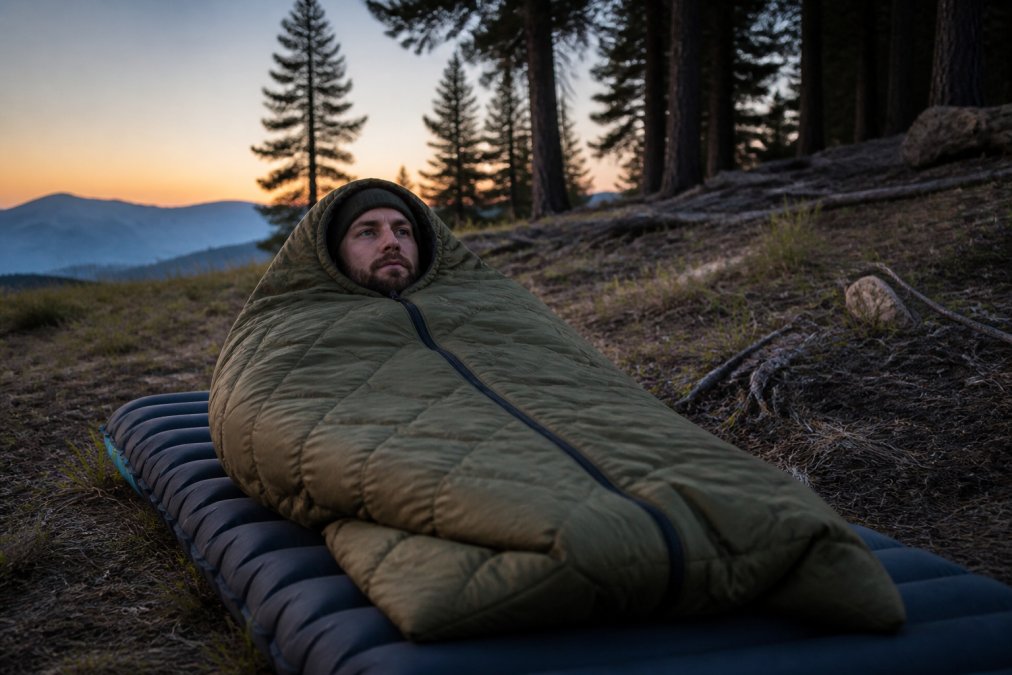
The most straightforward use of a woobie blanket is converting it into a lightweight sleeping bag. Most quality woobies feature a three-sided zipper that runs along the bottom and up both sides, creating an enclosed sleep system without the bulk or weight of a traditional sleeping bag.
To set this up, lay the blanket flat and zip the three sides together. The integrated headport, the zippered opening at the head end, allows you to seal yourself inside completely. This configuration works best in mild to moderate temperatures when paired with a ground insulation layer. The polyester construction sheds wind and moisture, so you stay protected from the elements while maintaining packability that a full sleeping bag simply cannot match.
The real advantage here is thermal efficiency. When you're zipped inside, your body heat stays contained. The included headpad provides neck support and prevents cold air from entering at the head. For ultralight backpacking or bug-out scenarios where every ounce counts, this sleeping bag conversion beats carrying separate gear.
One thing to watch: this configuration works best when you have a sleeping pad underneath. The woobie liner alone doesn't insulate from ground cold. Pair it with a closed-cell foam pad or inflatable mattress, and you've got a complete sleep system that weighs roughly half what a traditional sleeping bag does. Many field veterans use this exact setup for three-season camping.
2. Emergency Shelter and Improvised Tarp Setup
When you need immediate protection from weather and you don't have a tent, a woobie blanket becomes an emergency shelter. This is where the ripstop nylon construction and grommets prove their worth.


The blanket's tie-down points allow you to tie it down using paracord, rope, or even branches. Stake one corner high using a tree or ridge pole, angle the opposite corner low, and you've created a lean-to shelter in minutes. The polyester material sheds rain effectively, and the size provides enough coverage for one person plus gear.
For a more enclosed setup, create an A-frame by running a line between two trees and draping the woobie over it. This configuration offers better protection in heavy wind and precipitation. The tie-down points let you angle the sides to create a vestibule where you can store wet gear.
This application is crucial in survival situations. A woobie blanket can be deployed faster than any tent, requires no assembly, and functions as both shelter and insulation layer.
The key is understanding your environment. In dense forest, a lean-to works fine. In open terrain with wind, the A-frame configuration holds better. In heavy rain, angle the tarp so water runs off cleanly rather than pooling. These small adjustments mean the difference between staying dry and hypothermia.
3. Wearable Poncho Liner for Mobile Warmth
The original design of the military poncho liner was as a wearable layer, a serape-style wrap that keeps you warm while staying mobile. This application is often overlooked by modern users, but it's invaluable when you need mobility without sacrificing warmth.
Slip the woobie over your shoulders with the headport around your neck. The blanket drapes down your front and back, creating an insulating layer over your torso and arms. The zippered headport seals around your neck, preventing cold air from entering. You can move freely, access gear at your waist, and maintain dexterity for tasks that require use of your hands.
This setup excels during static operations, sitting in a hunting blind, manning a position, or conducting surveillance. You stay warm without the restriction of a heavy jacket. The polyester sheds wind and moisture while allowing air circulation, so you don't overheat during activity.
“Trail Rider™ Olive Drab 3-Sided →
The versatility here is significant. Unlike a sleeping bag or tent, you can wear a woobie blanket while moving, working, or maintaining security. It's warmth on demand that doesn't compromise your ability to function. Maintaining this core temperature allows you to focus on other critical survival tasks, such as layering socks for warmth to ensure your extremities remain as protected as your torso.
One practical consideration: the woobie as a poncho liner works best in cool to cold conditions. In mild weather, it's overkill. But when temperature drops and you need to stay alert and mobile, this application is unbeatable.
4. Hammock Underquilt and Ground Insulation
If you're into ultralight backpacking or hammock camping, a woobie blanket functions as an underquilt, an insulation layer that hangs beneath your hammock. This solves the critical problem of ground-side heat loss that sleeping pads cannot address in hammock setups.
Attach the woobie to your hammock using the tie-down points and suspension system. The blanket hangs underneath, creating an air gap that traps warm air and blocks cold air from below. This configuration is far lighter than dedicated hammock quilts and offers comparable thermal performance in moderate conditions.
The same principle applies if you're sleeping on the ground. Lay the woobie beneath you as a ground insulation layer, then use a sleeping bag or blanket on top. This dual-layer approach creates an insulation sandwich that keeps ground cold from sapping your body heat.
This application matters because heat loss from below is often underestimated.
5. How to Wash a Woobie Blanket Properly
Your woobie blanket will accumulate dirt, sweat, and debris during field use. Proper cleaning extends its lifespan and maintains its water-resistant properties. This is where many users make mistakes that degrade their gear.
| Maintenance Task | Frequency | Method | Notes |
|---|---|---|---|
| Shake out debris | After each use | Vigorous shake | Removes surface dirt without water |
| Hand wash | Every 3-5 field uses | Cool water, mild detergent | Rinse thoroughly to remove soap |
| Air dry | After washing | Flat or hanging position | Takes 24-48 hours |
| Storage inspection | Monthly | Visual check | Ensure blanket is dry before packing |
| Deep clean | Annually | Hand wash with extra rinses | Removes accumulated salt and oils |
Comparison: Woobie Blankets vs. Modern Synthetic Quilts
Modern synthetic quilts have advantages in specific scenarios, but they don't replace woobie blankets for field versatility. Understanding the tradeoffs helps you choose the right tool for your mission.
Conclusion: The Versatility That Matters in the Field
A woobie blanket earns its place in your pack because it solves multiple problems without forcing you to carry multiple solutions. Whether you're converting it into a sleeping bag, building emergency shelter, staying warm while mobile, insulating a hammock, or maintaining your gear, the applications keep expanding as you encounter new field conditions.
Frequently Asked Questions
What are woobie blankets used for?
Woobie blankets are multi-purpose field gear that function as sleeping bags, emergency shelters, ponchos, ground covers, and insulation layers. Their weather-resistant polyester makes them ideal for camping, hunting, survival kits, and bug-out bags. The three-sided zipper design converts the woobie into a lightweight bivy sack or sleeping bag, while the zippered head port allows you to wear it as a serape or poncho liner for mobile warmth in cold conditions.
Can you use a woobie as a sleeping bag?
Yes. The three-sided zipper on Dragoon Unlimited woobie blankets converts the blanket into a lightweight sleeping bag or bivy-style cover. Zip up the three sides, place the included headpad for pillow support, and you have a complete sleep system. This woobie blanket sleeping bag conversion eliminates the need for separate gear modifications, making it field-ready for backpacking, camping, and survival situations where weight and packability matter.
How do you clean a woobie blanket without damaging it?
To properly wash a woobie blanket, use cool water and mild detergent by hand. Avoid bleach and high heat, which degrade the polyester. Air dry completely before storing in the included stuff sack to prevent mildew. For stubborn field dirt, spot-clean with a damp cloth first. Proper maintenance extends the life of your woobie blanket and preserves its water-resistant properties for years of reliable field use.
Are woobie blankets worth the investment?
Woobie blankets offer exceptional value for outdoor enthusiasts, veterans, and preppers. A single Dragoon Unlimited woobie at $64.99-$69.99 replaces multiple pieces of gear: sleeping bag, emergency shelter, ground cloth, and poncho. The polyester construction withstands rough field conditions, and the versatile design adapts to camping, hunting, tactical operations, and survival scenarios. When you factor in durability, packability, and multi-use functionality, woobies deliver mission-ready performance that justifies the cost.
How do you roll up a woobie blanket for storage?
Roll your woobie blanket tightly from one long end, keeping the zipper and tie-down points on the inside to protect them. Compress it as you roll to minimize bulk, then secure with the included stuff sack. Store in a dry location away from direct sunlight to preserve the polyester. Proper storage prevents creasing and keeps your woobie ready for immediate deployment when you need it in the field.


